
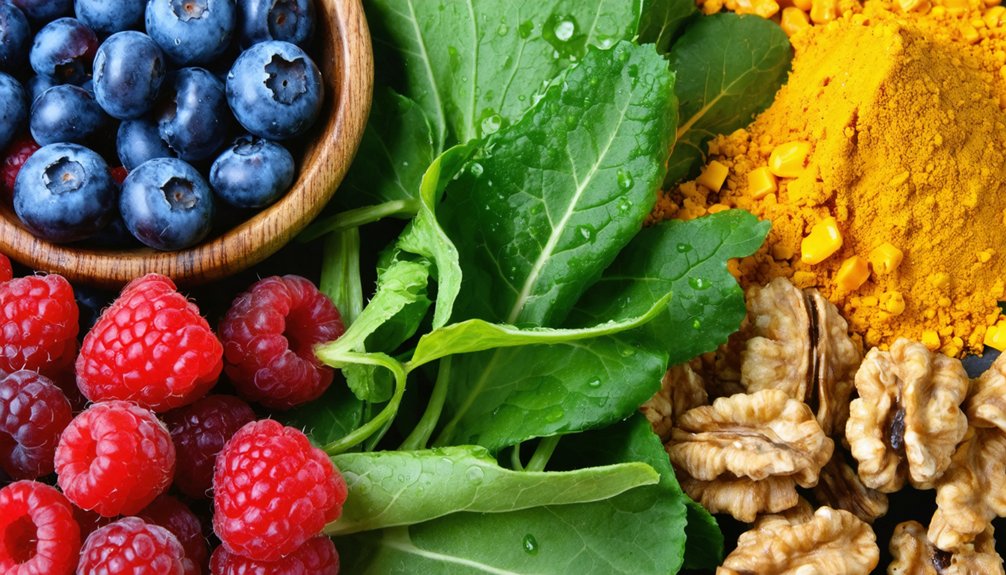

Anti-inflammatory foods substantially support longevity by reducing chronic inflammation, a key factor in age-related diseases and mortality risk. Diets rich in omega-3 fatty acids, colorful fruits, vegetables, and whole grains provide essential nutrients that combat oxidative stress and lower inflammatory markers. Additionally, the Mediterranean diet has proven effective in promoting longer telomere length and reducing major health risks. Understanding these dietary impacts opens the door to exploring how specific food choices can enhance well-being over time.
The Connection Between Diet and Mortality Risk
Although the relationship between diet and health has long been acknowledged, recent studies have increasingly highlighted the significant impact of dietary patterns on mortality risk.
Research indicates that high diet quality, such as adherence to the Mediterranean diet, correlates with a 23% reduction in all-cause mortality.
Conversely, a Western dietary pattern, characterized by high processed foods and red meat, is associated with a 21% increase in mortality trends.
Plant-based diets further exhibit reduced mortality risk, emphasizing the importance of foods rich in vegetables, fruits, legumes, and whole grains.
Especially, the Unhealthy Eating Index reveals a staggering 40% higher mortality risk in those consuming the least favorable diets.
The evidence highlights how conscious dietary choices can deeply influence lifespan and overall health.
Benefits of an Anti-Inflammatory Diet for Disease Prevention
The benefits of adopting an anti-inflammatory diet extend well beyond mere weight management, playing a substantial role in disease prevention. Research illustrates that such dietary patterns can considerably lower the risk of cardiovascular issues, with studies showing reduced blood pressure and cholesterol levels. The Mediterranean diet, in particular, has demonstrated an exceptional ability to decrease major cardiovascular events by up to 30% among high-risk individuals. Additionally, adhering to this diet can reduce the incidence of certain cancers, including breast and colorectal malignancies, while offering protective effects against cognitive decline. Furthermore, anti-inflammatory foods have been linked to improved metabolic health, nurturing healthy aging by combating chronic inflammation. Chronic inflammation significantly influences the development of cardiovascular disease, highlighting the importance of anti-inflammatory diets in promoting overall well-being. Studies have shown that unsaturated fats can help reduce total and low-density cholesterol levels, further supporting cardiovascular health. Moreover, the inclusion of bioactive compounds in an anti-inflammatory diet provides essential nutrients that actively modulate inflammation and enhance overall health. Collectively, these findings indicate that an anti-inflammatory diet is instrumental in promoting overall well-being.
Key Components of an Anti-Inflammatory Diet
An anti-inflammatory diet is characterized by a variety of essential components that work synergistically to promote health and reduce inflammation. Diet planning should focus on integrating omega-3 fatty acid sources, such as fatty fish and plant-based options like flaxseed and walnuts. A colorful variety of fruits and vegetables, particularly deeply pigmented ones, is crucial for antioxidant support. Incorporating monounsaturated fats from olive oil, nuts, and avocados enhances nutrient absorption while replacing harmful saturated fats. Whole grains and legumes provide necessary fiber and plant-based proteins. Additionally, anti-inflammatory spices such as turmeric, ginger, and cinnamon may amplify the diet’s benefits. Importantly, an anti-inflammatory diet helps reduce the risk of chronic diseases associated with systemic inflammation. Foods rich in omega-3 fatty acids are particularly beneficial in combating inflammation and pain. For enhanced health outcomes, including fiber foods in the diet can help lower pro-inflammatory molecules. Thoughtful food selection across these categories encourages a comprehensive approach to health and longevity.
Mechanisms of Inflammation Reduction
Exploring the mechanisms behind inflammation reduction reveals how specific dietary components can substantially alter inflammatory responses within the body. For instance, compounds like lunasin and curcumin modulate key molecular interactions, inhibiting pathways such as NF-κB, ultimately reducing the production of pro-inflammatory cytokines. Meanwhile, targeted foods rich in polyphenols, like raspberries, balance cellular responses by improving glucose homeostasis and lowering inflammatory markers. Adopting a Mediterranean diet has shown to substantially correlate with reductions in biomarkers like CRP and IL-6, highlighting its impact on inflammation. Moreover, bioactive compounds such as omega-3 fatty acids and antioxidant-rich foods combat oxidative stress, underlining the interconnected nature of dietary intake, cellular responses, and inflammation pathways that promote longevity and overall well-being. Incorporating anti-inflammatory foods like leafy greens in daily meals can enhance overall health and decrease the risk of chronic diseases. Additionally, certain foods rich in omega-3 fatty acids have been shown to help defend cardiovascular health, further underscoring the importance of dietary choices in managing inflammation.
Impact on Muscle Health and Function
Muscle health and function are substantially influenced by dietary choices, particularly those rich in anti-inflammatory properties. Foods containing omega-3 fatty acids, such as mackerel, contribute to muscle recovery by reducing soreness and inflammation. Bromelain from pineapple enhances post-exercise recovery, while ginger extract offers anti-inflammatory benefits comparable to ibuprofen. Key nutrients like vitamin C in berries and turmeric’s curcumin further support muscle growth by combating oxidative stress. Additionally, antioxidants from dark fruits and leafy greens help prevent age-related muscle deterioration, ensuring ongoing strength and performance. Incorporating complete protein sources alongside these anti-inflammatory foods optimizes muscle protein synthesis, promoting effective tissue repair. Moreover, reducing inflammation through proper nutrition plays a crucial role in maximizing the benefits of these foods for muscle repair and growth. Together, these dietary strategies promote overall muscle health, supporting both recovery and growth. Post-exercise nutrition plays a crucial role in maximizing the benefits of these foods for muscle repair and growth.
Strategies for Implementing an Anti-Inflammatory Diet
Implementing an anti-inflammatory diet can substantially enhance overall health and longevity, especially as individuals traverse dietary choices that support reduced inflammation.
Effective diet planning begins with a gradual shift, such as a 21-day phased implementation to ease adaptation.
Incorporating anti-inflammatory staples like leafy greens, whole grains, and fatty fish during meal customization helps maintain nutritional balance.
Weekly batch cooking of these foods promotes consistency, while substituting processed snacks with wholesome options reduces the inflammatory load.
Members benefit from professional support, including nutritional consultations and food journaling, to identify triggers and track progress.
This multi-faceted approach, combined with lifestyle changes, culminates in a sustainable anti-inflammatory diet that thrives on community and shared goals.
The Role of the Mediterranean Diet in Longevity
The Mediterranean diet has garnered significant attention as a cornerstone for promoting longevity and overall well-being.
A strong adherence to this dietary pattern has been linked to an extraordinary 23% lower risk of all-cause mortality among women, with similar benefits observed across diverse populations.
Particularly, this approach promotes longer telomere length, effectively reducing cellular aging.
Rich in antioxidants and healthy fats, it combats oxidative stress while improving inflammation markers and metabolic profiles.
Moreover, improvements in triglyceride-rich lipoproteins and lower insulin resistance contribute to enhanced longevity.
The Mediterranean diet also offers protective effects against cardiovascular diseases and certain cancers, exemplifying a comprehensive approach to health that strikes a chord deeply within communities pursuing wellness and connection.
Future Directions in Anti-Inflammatory Dietary Research
Emerging research into anti-inflammatory dietary interventions holds great promise for understanding their impact on biological aging and longevity. Current investigations focus on aging mediators such as inflammatory cytokines and epigenetic biomarkers that reveal intricate connections between diet and inflammation pathways.
Longitudinal studies are vital, tracking individual responses to dietary patterns across diverse populations, especially between industrialized and non-industrialized societies. Precision nutrition is a frontier, utilizing genomic and microbiome data to tailor interventions for ideal benefits. Additionally, advanced biomarker tracking will refine our understanding of how specific dietary components influence systemic inflammation and organ aging, and take a plunge into the complexities of this field, making key investigations essential.
These collective efforts may illuminate pathways toward enhanced longevity and well-being, appealing to individuals seeking community and connection through healthful dietary choices.
References
- https://www.healthline.com/health-news/anti-inflammatory-diet-linked-to-reduced-risk-of-early-death
- https://pmc.ncbi.nlm.nih.gov/articles/PMC8389628/
- https://pmc.ncbi.nlm.nih.gov/articles/PMC12413709/
- https://www.usc.edu.au/about/unisc-news/news-archive/2024/january/avoid-inflammatory-food-to-help-save-ageing-muscles-new-research
- https://www.edgehillcommunity.com/resources/anti-inflammatory-foods-may-help-you-age-well/
- https://www.marcusinstituteforaging.org/news/study-shows-consumption-pro-inflammatory-diet-associated-increased-odds-frailty-onset-middle-aged
- https://www.brighamandwomens.org/patients-and-families/meals-and-nutrition/bwh-nutrition-and-wellness-hub/special-topics/anti-inflammatory-lifestyle
- https://nesr.usda.gov/2020-dietary-guidelines-advisory-committee-systematic-reviews/dietary-patterns-subcommittee/dietary-patterns-all-cause-mortality
- https://jamanetwork.com/journals/jamanetworkopen/fullarticle/2819335
- https://pmc.ncbi.nlm.nih.gov/articles/PMC2912488/