
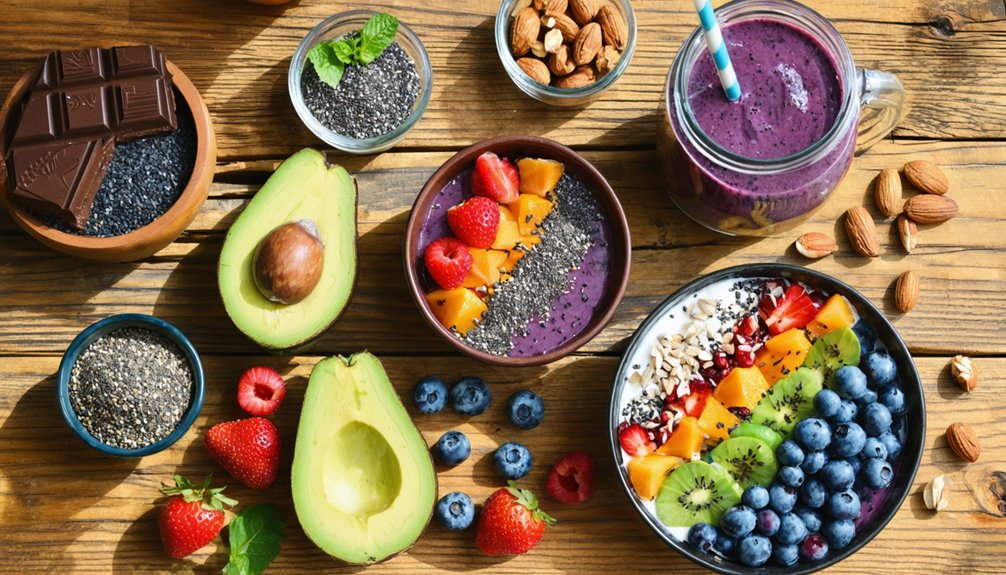

Functional foods are reshaping modern eating by offering health benefits beyond basic nutrition. Consumers increasingly prioritize products that promote wellness and address diet-related chronic diseases. The market is growing substantially, especially in the Asia-Pacific region, driven by demand for gut health and plant-based options. Transparency and nutritional integrity are vital to consumer trust. As dietary preferences evolve, the trend towards shared commitments to healthier lifestyles continues to rise, highlighting an exciting shift in food choices. More perspectives await.
The Rise of the Functional Food Market
The functional food market has experienced an outstanding ascent, developing into a trillion-dollar industry positioned for sustained growth. Valued between USD 329.65 billion and USD 364.18 billion in 2023, the market reflects promising projections, potentially reaching USD 548.4 billion by 2034. Key market trends reveal a surge in consumer behavior driven by increasing awareness of the health challenges posed by diet-related chronic diseases. This heightened health consciousness, particularly in emerging markets, escalates interest in nutritional food products. Additionally, a growing willingness to invest in premium functional options signifies changing consumer priorities. As companies innovate and diversify product lines, the interplay between health awareness and purchasing power continues to propel the sector forward, nurturing a community of health-driven consumers. Moreover, the Probiotics segment has emerged as the highest contributor to the functional food market, indicating a strong focus on gut health among consumers. The market is expected to grow from USD 350 billion in 2025 to USD 638 billion by 2034, at a CAGR of 6.9%. Furthermore, the rise in demand for personalized nutrition is pushing companies to tailor products to meet specific health needs, reinforcing the trend of customization in functional foods.
Key Regional Market Dynamics
As global interest in functional foods intensifies, regional market forces reveal distinct characteristics that shape growth trajectories across various areas. In the Asia-Pacific, projected leadership with a 47.5% market share by 2025 highlights increasing consumer health consciousness and urbanization. The GCC region is positioned for substantial growth, expanding from USD 18.2 billion in 2025 to USD 51.2 billion by 2035, driven by innovations in retail and health initiatives, particularly highlighted by the GCC functional food market’s expected CAGR of 10.9%. North America remains dominant, with a focus on protein-enriched products, while Europe benefits from stringent regulations ensuring product quality. Additionally, the BRICS nations are emerging markets, showcasing vigorous growth fueled by rising incomes and domestic consumption. These regional perspectives reflect the diverse and changing landscape of functional food market trends globally, offering a unique plunge into the market with a perceptive understanding, and providing a thorough perception that the overall market remains resilient. The rise in chronic diseases has also intensified the demand for functional foods across these regions, affecting consumer choices and shaping market dynamics.
Leading Functional Food Categories
Leading functional food categories have emerged as vital segments reflecting the growing consumer interest in health and wellness. Dominating the market are gut health products such as probiotic yogurts and kombucha, which highlight the importance of digestive wellness. Sales of digestive drinks surged by 34% year-over-year, illustrating consumer preference for gut-boosting options. Additionally, prebiotics and probiotics rank high among functional ingredients, with over 36% of consumers prioritizing gut-friendly labels. The expansion of gut microbiome research further fuels the demand for customized wellness solutions. Furthermore, food testing ensures that these products maintain their efficacy and safety, giving consumers confidence in the functional benefits they seek. Notably, the gut health market is projected to exceed $32bn by 2035, reflecting the ongoing consumer pursuit of comprehensive wellbeing. Complementing this, cognitive and protein fortification trends emphasize comprehensive wellness, inviting consumers to examine a diverse range of functional foods designed to meet their specific health needs while nurturing a sense of community and belonging. In particular, the increase in interest towards high-protein diets among US adults indicates a significant shift towards functional foods that cater to muscle health and overall nutrition.
Consumer Drivers and Preferences
Growing consumer interest in functional foods highlights a shift in how individuals define health and wellness, with a clear emphasis on personal benefits. Many consumers prioritize food choices that enhance energy, mental clarity, and overall well-being. As a result, ingredients like fiber, protein, and vitamin D, along with clean-label products, are increasingly sought after. Transparency and nutritional integrity strongly influence consumer behavior, particularly among younger generations. Despite rising grocery costs, taste and affordability remain critical factors guiding purchases. Additionally, the growing preference for whole foods and ethical sourcing reflects a collective desire for nourishment that aligns with personal values, ultimately nurturing a sense of belonging within health-conscious communities. This trend aligns with the fact that 42.9% of consumers associate healthy food primarily with boosting energy or muscular performance.
Health Applications and Benefits
Functional foods represent an extraordinary intersection of nutrition and health, providing tangible benefits that extend beyond basic dietary needs.
These foods offer significant nutritional benefits, particularly in the domain of disease prevention.
For instance, whole grain consumption has been associated with a 17% reduction in colorectal cancer risk, while plant-based compounds continually lower cardiovascular disease likelihood through cholesterol management.
Dietary fiber and polyphenols improve insulin sensitivity, aiding in type 2 diabetes prevention.
Additionally, polyphenolic compounds in fruits and vegetables hinder neurological disease progression.
Innovations in Distribution Channels
The rise of health consciousness among consumers has catalyzed significant innovations in the distribution channels for functional foods. Traditional retail channels, primarily supermarkets and hypermarkets, still dominate, accounting for substantial market shares globally.
However, the rapid growth of e-commerce platforms has revolutionized how consumers engage with functional foods, offering convenience, variety, and personalized experiences. Supply chains are changing to accommodate this shift, as online channels allow consumers to compare nutritional labels and access specialized products with ease. Additionally, specialty retail formats have emerged, including health-focused stores and pharmacies, to cater to discerning customers.
This vibrant scene reflects the growing demand for functional foods and emphasizes the importance of diverse distribution strategies in meeting consumer needs, as the industry is forced to plunge into new markets and become more adaptive to keep pace with the shifting marketplace.
The Role of Nutritional Awareness
Nutritional awareness plays a critical role in shaping consumer behavior towards healthier food choices and overall dietary habits.
Research indicates that individuals with higher nutrition knowledge are more likely to adopt healthier eating patterns, with approximately 49% of U.S. adults demonstrating confidence in identifying nutritious options.
This awareness is substantially influenced by formal nutrition education, which enhances food knowledge and promotes informed decision-making.
Additionally, access to nutrition information, such as updated food labels and restaurant menu data, has shown to lower caloric intake among users.
Despite progress, disparities persist; those with lower educational backgrounds often exhibit reduced food literacy.
Consequently, ongoing efforts to improve nutrition education and label clarity remain crucial for cultivating healthier communities and enhancing dietary choices.
Trends Shaping the Future of Diet and Wellness
A significant metamorphosis is underway in the domains of diet and wellness, driven by increasing consumer demand for health-oriented food options.
The growth of the global functional food market highlights this shift, projected to reach record-breaking heights by 2032.
Social media plays a vital role in amplifying cultural influences, creating a community where health consciousness thrives.
Consumers increasingly seek specialized products that enhance energy, cognitive function, and emotional well-being, reflecting a broader desire for personalized nutrition.
Additionally, the rise of clean label standards and sustainable practices emphasizes a collective yearning for transparency.
As innovation flourishes, manufacturers aim to cater to these developing preferences, crafting foods that harmonize with consumers’ wellness aspirations and nurture a sense of shared commitment to healthier lifestyles.
References
- https://www.towardsfnb.com/insights/functional-food-market
- https://straitsresearch.com/report/functional-food-market
- https://www.fortunebusinessinsights.com/functional-foods-market-102269
- https://www.grandviewresearch.com/industry-analysis/functional-food-market
- https://www.futuremarketinsights.com/reports/united-states-health-and-wellness-foods-market
- https://www.thebusinessresearchcompany.com/report/functional-foods-global-market-report
- https://www.ift.org/news-and-publications/food-technology-magazine/issues/2025/april/features/the–top-10-functional-food–trends
- https://www.statista.com/topics/1321/functional-foods-market/
- https://www.gminsights.com/industry-analysis/functional-foods-market
- https://market.us/report/global-functional-food-and-beverages-market/