
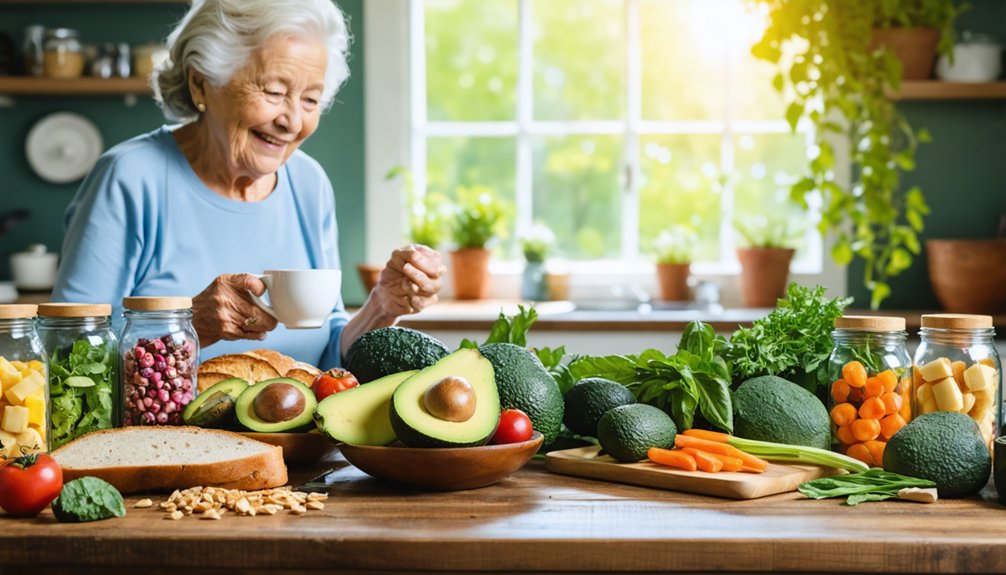

Senior nutrition needs change substantially over time, particularly due to shifts in metabolism and energy requirements as individuals age. Metabolism typically declines, necessitating dietary adjustments. Increased protein intake becomes essential for preserving muscle mass and combating sarcopenia. Additionally, seniors often face micronutrient deficiencies in vitamins and minerals critical for health. Adopting healthy dietary patterns can enhance longevity and quality of life. Uncovering effective strategies for optimizing nutrition can further support aging adults in maintaining their overall well-being.
Changes in Metabolism and Energy Requirements
As individuals age, their metabolism undergoes substantial changes, reflecting a complex interplay of biological processes that dictate energy needs. During infancy, energy expenditure peaks, but from ages 1 to 20, there is a steady decline of approximately 3% annually. Notably, metabolism levels off into a new normal in the 20s, indicating a stabilization of energy needs during this period. Interestingly, rapid shifts in metabolism can occur in individuals during their 40s and 60s, highlighting the importance of adjusting dietary intake to accommodate these changes. This is largely due to loss of muscle mass, which contributes to a slower metabolism and increases the need for dietary adjustments to maintain energy levels.
The Importance of Protein for Muscle Preservation
Protein plays a pivotal role in preserving muscle mass among older adults, who face unique challenges related to muscle maintenance. As they age, protein intake needs increase, with recommendations suggesting 1.0-1.3 g/kg/day to combat sarcopenia and stimulate muscle protein synthesis effectively. Older adults must consume 25-30 grams of high-quality protein per meal to optimize muscle preservation. Insufficient protein consumption can accelerate lean body mass loss. Integrating higher protein diets with resistance exercise can substantially mitigate age-related muscle loss, enhancing physical function. Ultimately, appropriate protein intake is essential for maintaining strength, supporting overall health, and nurturing a sense of community as seniors engage in activities that promote well-being, reinforcing their connection with others in similar situations. Higher protein intake is crucial for maintaining muscle function and preventing sarcopenia-related muscle deterioration.
Micronutrient Needs and Risks of Deficiencies
Despite the essential role that micronutrients play in maintaining overall health, many older adults face significant challenges in meeting their dietary needs. Approximately 81% of elderly U.S. adults do not meet the magnesium intake requirements, while 20%-35% fall short in essential vitamins such as B6, C, and E. Micronutrient deficiencies, particularly in vitamin D and calcium, are widespread and linked to serious health risks, including increased mortality and immune dysfunction. Factors such as malabsorption issues and social isolation contribute to these deficiencies. Notably, inadequate intake of micronutrients such as iodine was found to affect over 65% of the global population, highlighting the urgency of addressing nutritional gaps. Nutritional supplements can be an indispensable resource, helping bridge gaps in dietary intake. Addressing these micronutrient needs is essential for promoting healthier aging and reducing the threat of chronic diseases among seniors.
Dietary Patterns Linked to Healthy Aging
Understanding the intricate relationship between nutrition and aging reveals that dietary patterns substantially influence the health course of older adults. Research indicates that adherence to healthy eating, particularly diets like the Mediterranean, DASH, and MIND, considerably enhances the odds of achieving healthy aging. These dietary trends emphasize fruits, vegetables, whole grains, and healthy fats while limiting processed foods and red meats. Furthermore, the Alternative Healthy Eating Index shows a strong correlation with cognitive and physical health beyond age seventy. As these patterns encourage nutrient-rich foods, they align with the goals of longevity and disease prevention. Ultimately, higher adherence to dietary patterns has been associated with greater odds of achieving healthy aging, underscoring the importance of nutrition in later life. Studies have shown that participants in the highest quintile of the AHEI score had an 86% greater likelihood of healthy aging at 70 years. Moreover, following a healthy dietary pattern throughout life is crucial for promoting healthy aging and preventing non-communicable diseases.
Age-Related Physiological Changes Impacting Nutrition
As individuals age, various physiological changes occur that substantially impact their nutritional needs and dietary choices. Particularly, oral health plays a critical role, as tooth loss and ill-fitting dentures limit the ability to consume hard, nutrient-dense foods. Alongside this, sensory decline, particularly in taste and smell, diminishes food appeal and appetite, making mealtime a less engaging experience. Furthermore, gastrointestinal alterations contribute to slower digestion and increased constipation, affecting nutrient absorption. The decline in muscle mass and strength leads to a slower metabolic rate, necessitating adjustments in nutrient intake. These interconnected changes highlight the importance of recognizing and addressing the developing dietary needs of seniors to promote both health and well-being. Additionally, adequate nutrition is essential for maintaining health, quality of life, and vitality in older adults. It is important to note that protein requirements increase with age, but many older adults do not meet recommended daily protein requirements.
Recommended Dietary Interventions for Seniors
The nutritional needs of seniors necessitate specific dietary interventions to guarantee ideal health and well-being.
Meal planning should emphasize higher protein intake, targeting 1.0-1.2 g/kg body weight daily to maintain muscle mass, while high-quality sources like lean meats and legumes are recommended.
Seniors are encouraged to consume nutrient-dense foods abundant in fiber, vitamin D, calcium, and potassium.
Hydration strategies are essential, particularly as thirst cues tend to diminish with age; incorporating hydrating foods like milk can combat potential deficiencies.
Nutrition counseling becomes priceless, guiding seniors toward Mediterranean or DASH dietary patterns that promote longevity and cognitive health.
Effective Strategies for Increasing Nutritional Intake
Seniors face unique challenges in maintaining ideal nutritional intake, necessitating effective strategies to enhance their dietary habits.
Caregiver support plays a crucial role in ensuring hydration by educating caregivers on the importance of regular fluid intake and offering diverse drink options.
Implementing five to six smaller meals daily, rich in nutrient-dense foods, accommodates reduced appetites while focusing on adequate protein distribution.
Social engagement is critical; shared meals in inviting environments not only enhance consumption but also promote companionship.
Community meal programs further address nutrition and social needs.
Evaluating Popular Diets for Aging Adults
Understanding the dietary preferences and needs of aging adults is essential for promoting their overall health and longevity. Diet evaluation of popular eating patterns reveals that adherence to the AHEI and PHDI diets substantially improves healthy aging prospects.
These diets emphasize higher consumption of fruits, vegetables, and whole grains, alongside healthy fats, which advance physical and cognitive health. Nutrition planning should also focus on minimizing ultra-processed foods, red meats, and sugars, all of which are linked to chronic disease risks.
Effective dietary patterns increase the likelihood of achieving ideal aging metrics, including disease-free status and cognitive vitality. Thus, tailoring nutrition strategies for seniors can nurture a sense of belonging and enhance well-being through healthy lifestyle choices.
Ultimately, nutrition plays a crucial role in supporting the crucial health needs of seniors, and a well-planned diet crucially enhances healthy aging prospects.
References
- https://silverleafeldercare.com/nutrition-and-senior-health-exploring-the-latest-research/
- https://pmc.ncbi.nlm.nih.gov/articles/PMC9903079/
- https://www.nature.com/articles/s41591-025-03570-5
- https://www.nationalacademies.org/read/24641/chapter/1
- https://www.heart.org/en/news/2024/12/18/the-changing-nutritional-needs-of-older-adults-and-how-to-meet-them
- https://pmc.ncbi.nlm.nih.gov/articles/PMC8838212/
- https://ncmedicaljournal.com/article/73010
- https://now.tufts.edu/2023/10/13/two-way-relationship-between-nutrition-and-aging
- https://www.pennmedicine.org/news/changing-nutritional-needs-for-older-adults
- https://www.pbrc.edu/news/media/2021/metabolism-milestones.aspx